English
 Español
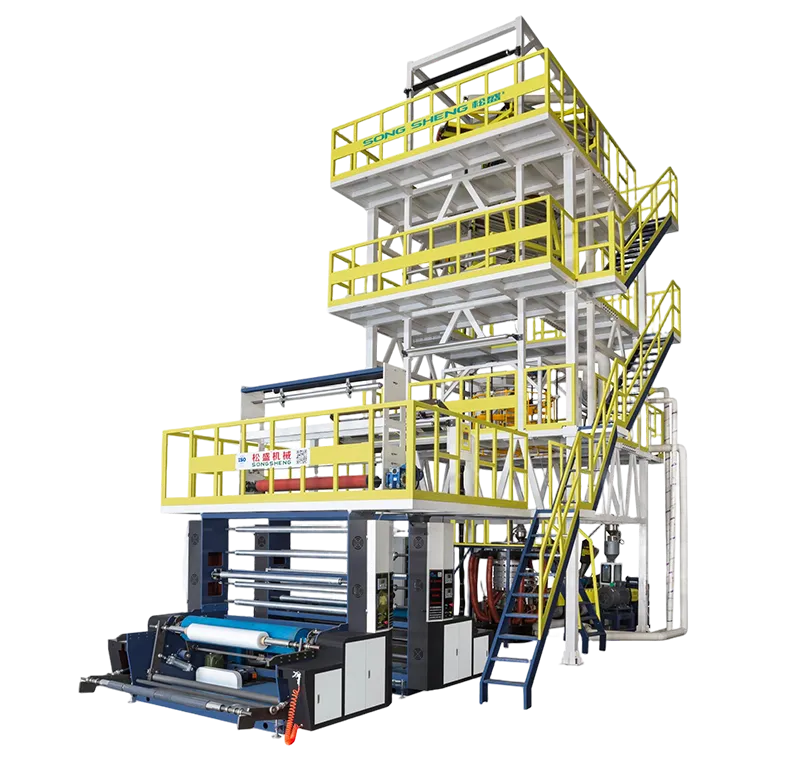
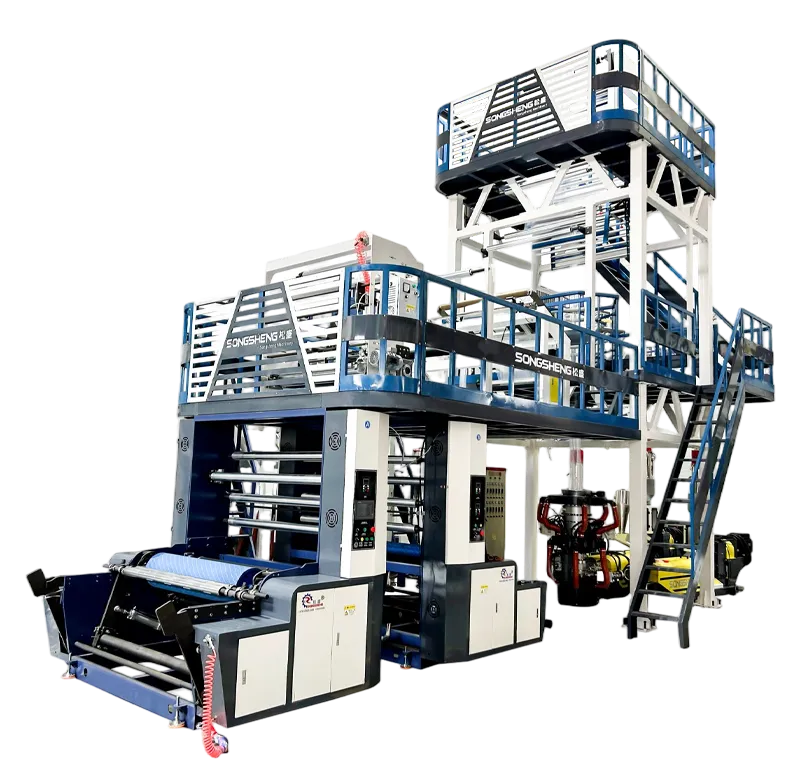
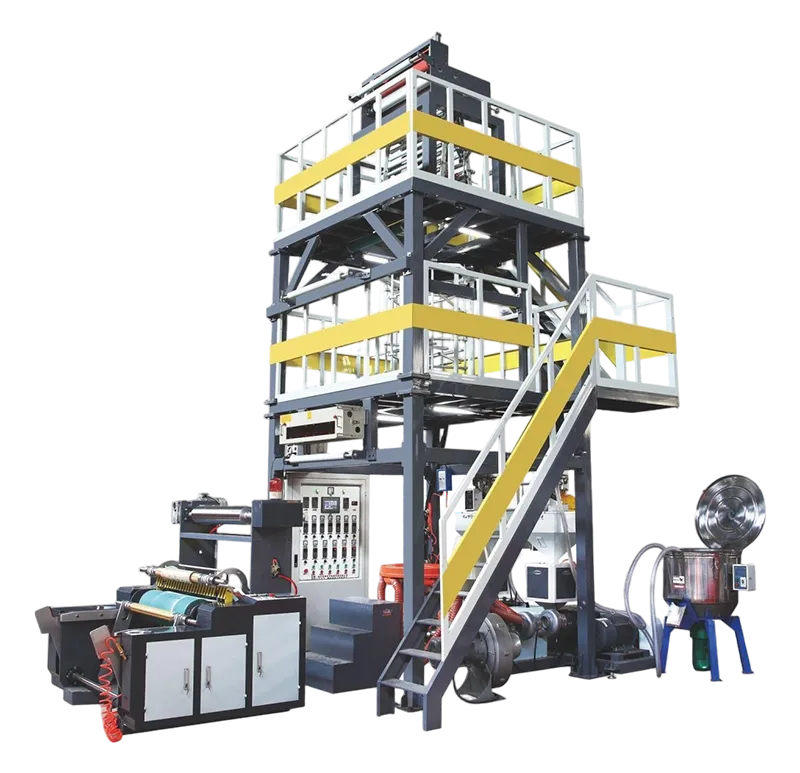
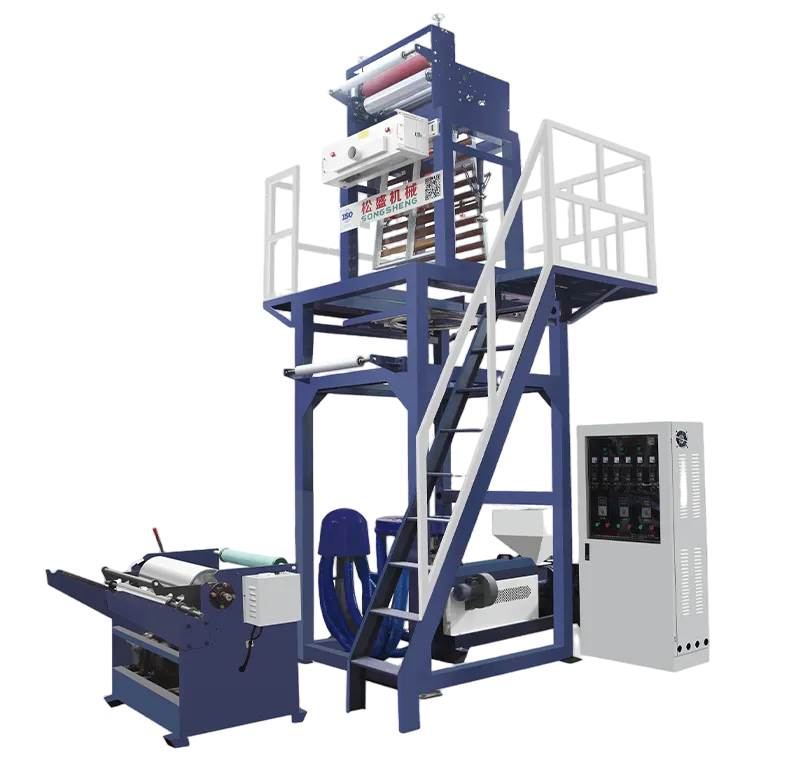
When you’re searching for a reliable film production solution, you need clear, practical guidance to avoid costly mistakes. Choosing the right blown film machine means balancing output stability, material adaptability, and long‑term durability—three non‑negotiable factors for packaging manufacturers. In this guide, we break down real‑world selection logic based on 20+ years of manufacturing experience, so you can make a confident decision without trial and error. A Blown Film Machine serves as the foundation of flexible packaging production, and picking the wrong model directly leads to low yield, frequent downtime, and higher operational costs.
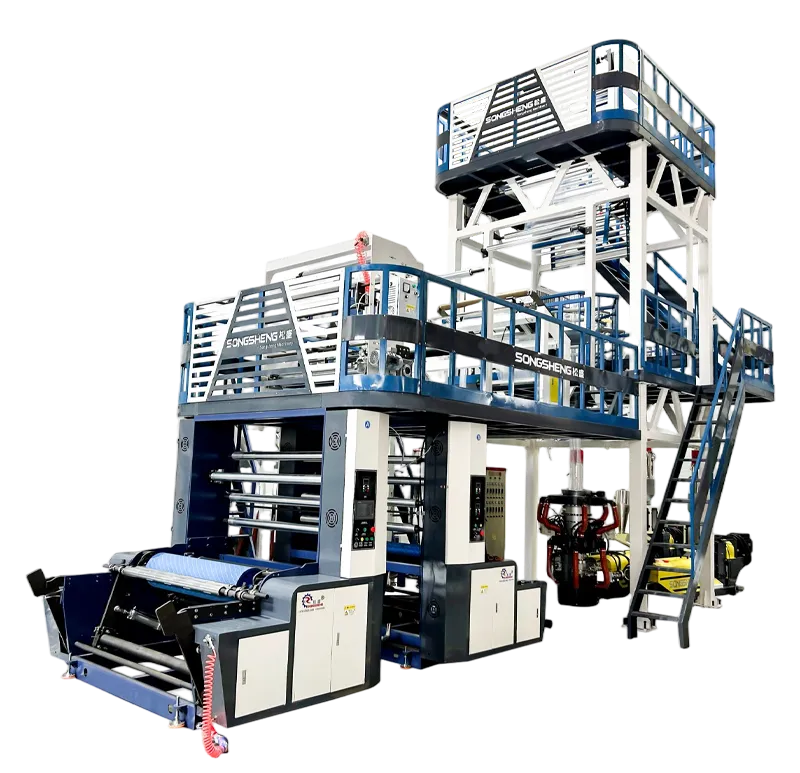
What Real Buyers Care About When Selecting Film Equipment
Most buyers don’t just buy a machine—they invest in a stable production system. Based on industry data from Plastic Technology International 2025 Report, more than 68% of film line buyers prioritize three core demands: stable film forming, wide material compatibility, and low failure rate. These factors directly determine your monthly output, product qualification rate, and after‑sales workload.
Many buyers make the same mistake: focusing only on speed or price, ignoring thickness consistency, tension control, and upgrade flexibility. A machine that looks cheap upfront may cost 2–3 times more in maintenance, material waste, and production delays over 3 years.
Before you compare models, clarify your three core scenarios:
- What film materials will you mainly process?
- What thickness range and width do you need?
- Do you need single‑layer, multi‑layer, or high‑barrier structure?
These answers will eliminate 80% of unsuitable models immediately.
Key Indicators You Must Verify Before Purchase
1. Film Thickness Uniformity
Thickness fluctuation directly affects sealing strength and appearance. Top‑tier equipment controls tolerance within ±0.5%, while ordinary machines often exceed ±3%, leading to inconsistent bag quality and high rejection rates. For food packaging and retail bags, uniformity is not optional—it’s a safety requirement.
2. Motor & Control System Stability
Servo motors provide smoother film feeding and more precise tension than ordinary motors. The best systems use PID intelligent temperature control to keep heating stable, preventing thin spots, bubbles, or broken films during high‑speed running.
3. Output Speed & Continuous Operation
For mass production, 24/7 running capability is critical. Machines designed for heavy duty can maintain stable performance for years, while light‑duty models break down under long‑hour load. Check real‑user feedback instead of only manufacturer labels.
4. Material Adaptability
Can your machine handle HDPE, LDPE, PP, biodegradable materials, and multi‑layer composites? If you plan to expand product lines later, a versatile design saves you from buying a second machine soon.
At this stage, you may want to compare structured equipment parameters.
to see how industrial‑grade film lines perform in real production.
Common Mistakes That Cost Manufacturers Thousands
Many buyers regret ignoring these details:
- Choosing overly cheap frames that deform under long‑term operation
- Skipping upgradeability and getting stuck with outdated functions
- Underestimating after‑sales support, leading to long downtime
- Not matching die head size to target film width
According to Flexible Packaging Association 2025, nearly 42% of small and medium manufacturers replace equipment within three years because of wrong initial selection. That’s a huge avoidable loss.
A better approach: focus on total cost of ownership (TCO), not just upfront price. A durable, low‑waste machine saves you material, labor, and downtime every month.
How to Match Machine Type to Your Production Scene
Not all film lines are equal. Different scenes need different designs.
For Daily Packaging & Shopping Bags
You need stable speed, easy operation, and good sealing compatibility. Priority: high output, simple maintenance, reliable sealing.
For Food & High‑Barrier Packaging
Focus on multi‑layer co‑extrusion, uniform thickness, clean production, and leakage resistance. These features protect food safety and extend shelf life.
For Agricultural & Horticultural Films
You need UV resistance, anti‑fog performance, weather stability, and durable mechanical properties to withstand outdoor environments.
For Industrial & Heavy‑Duty Packaging
Prioritize puncture resistance, high tensile strength, and adaptability to recycled materials (PCR) for logistics and construction use.
If you produce multiple types of bags, you need a flexible line that can switch materials and sizes quickly.
Real Comparison: Blown Film Lines vs. Other Film Making Methods
Many buyers ask whether to choose blown film, cast film, or other processes. Here’s straightforward comparison from field experience:
- Cast film: High transparency but poor strength, limited to thin films
- Blown film: Better strength, stiffness, and barrier, wider material range
- Extrusion coating: Good for composites but higher cost and lower versatility
For most flexible packaging makers, Blown Film Machine provides the best balance of strength, versatility, cost, and scalability. It supports PE, PP, biodegradable materials, and multi‑layer structures—ideal for long‑term business growth.
The key is not which technology is “best,” but which fits your products, market, and budget.
Why Customization Matters More Than You Think
Off‑the‑shelf machines often force you to compromise your product design. Customized lines let you:
- Adjust film width freely for different bag sizes
- Add dual‑color, anti‑fog, or high‑barrier functions
- Integrate automatic winding, counting, and online monitoring
- Match speed and structure to your workshop layout
Customization isn’t expensive—it’s an investment that eliminates waste and improves efficiency. Manufacturers with customized lines report 15–35% higher overall efficiency than standard‑model users.
When you’re ready to compare structured customization options,learn about modular design capabilities used in industrial packaging production.
Final Selection Checklist for Confident Buying
Use this practical checklist before you decide:
- Confirm material types and thickness range you will produce
- Verify thickness tolerance, speed, and continuous running data
- Check after‑sales service, remote diagnosis, and spare parts availability
- Inspect machine structure, motor system, and temperature control
- Confirm mold change speed and future upgrade space
- Ask for real customer cases and long‑term use feedback
Following this checklist eliminates almost all selection risks.
Conclusion
Choosing the right film production equipment is about matching real production needs with stable, durable, and adaptable technology. Don’t chase low price or exaggerated speed blindly—focus on uniformity, reliability, material compatibility, and after‑sales support. For most packaging manufacturers, a properly selected Blown Film Machine delivers consistent high‑quality film, lower operational cost, and stronger competitiveness in the long run.
If you want professional guidance based on your product mix and output target, you can get tailored suggestions from experienced manufacturers to avoid common pitfalls and secure your production stability.