English
 Español
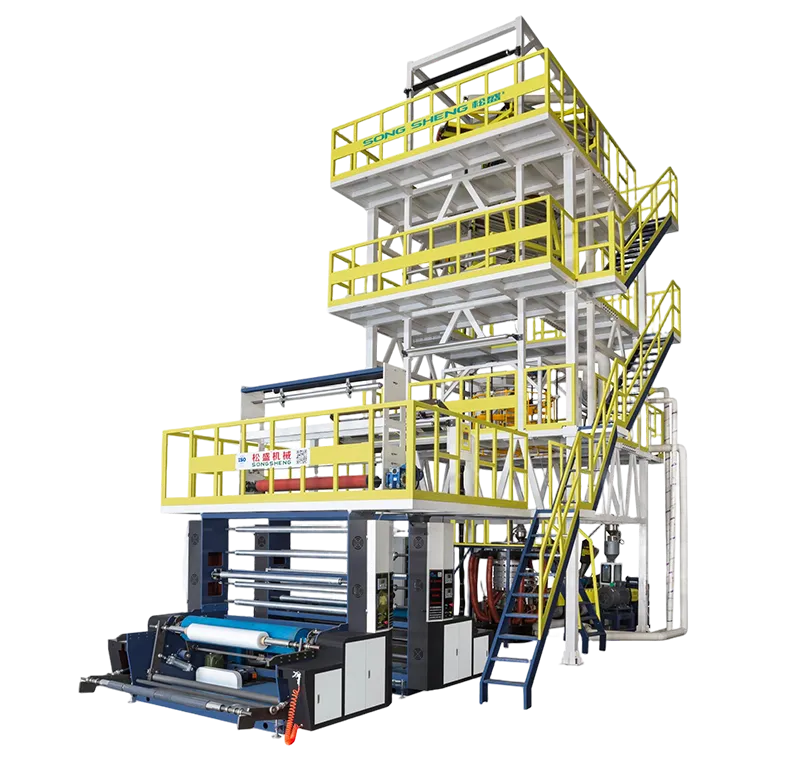
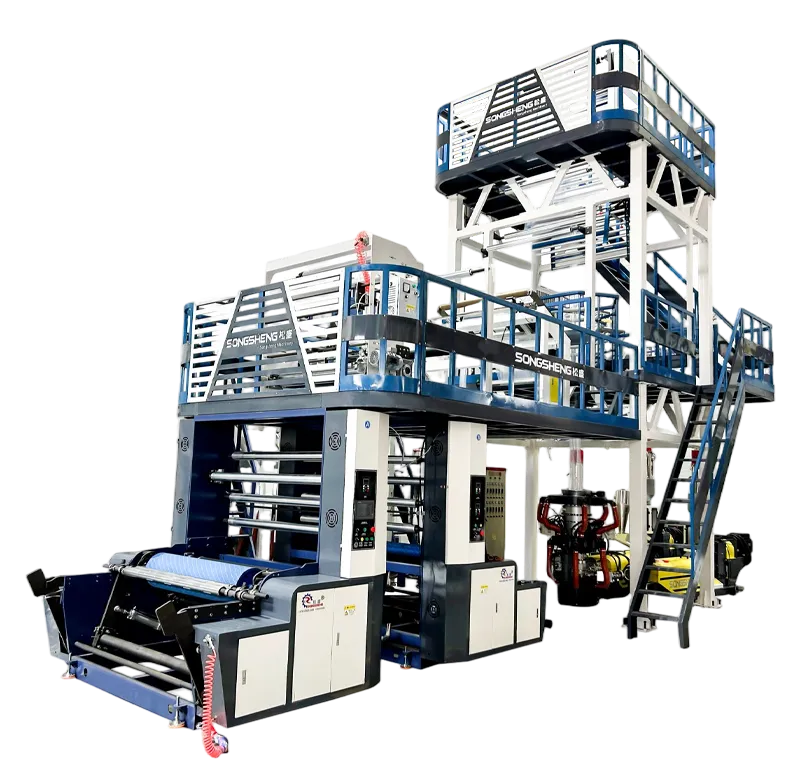
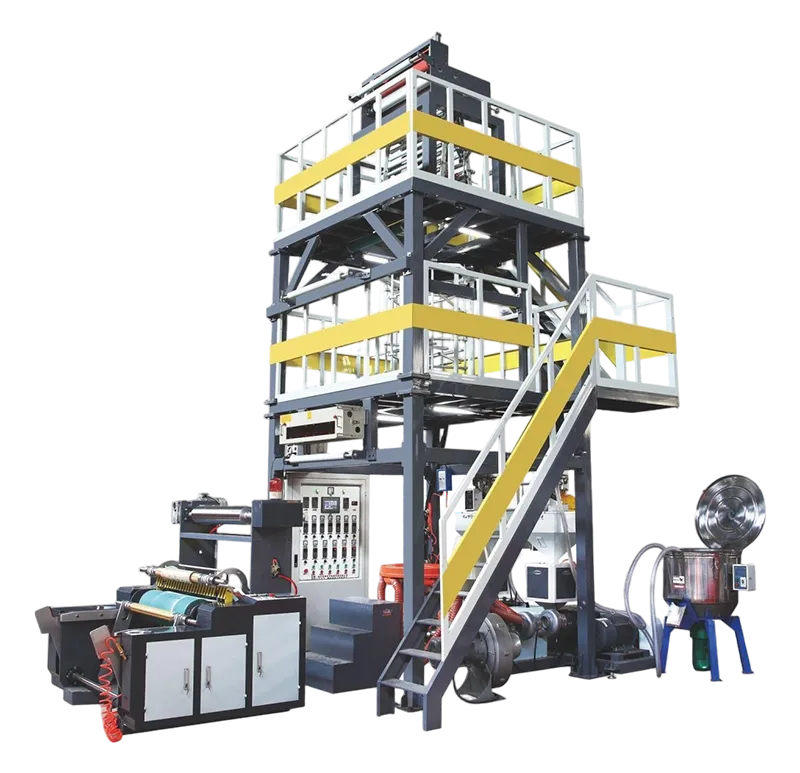
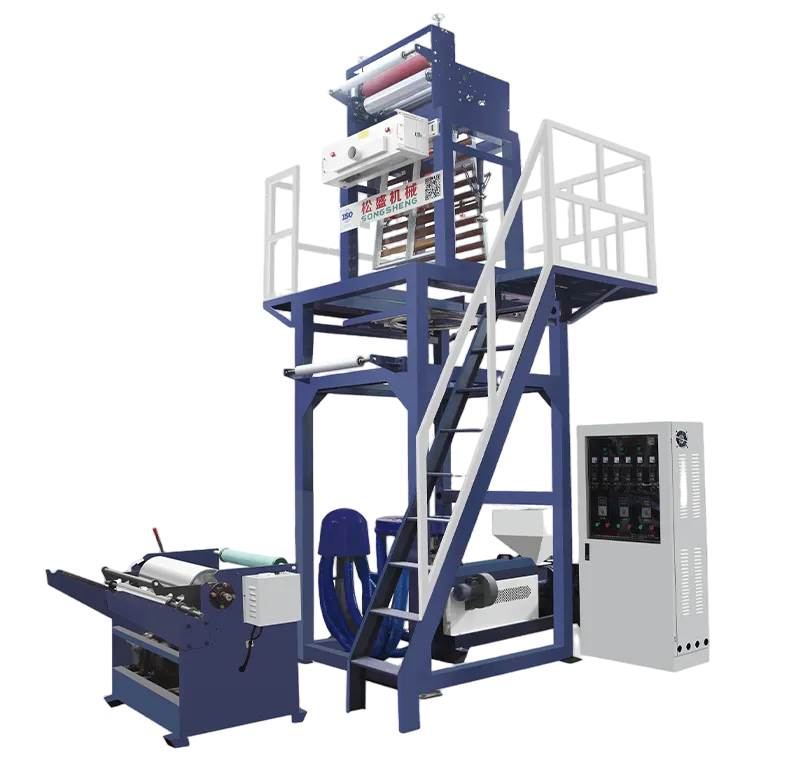
Today's packaging buyers are most concerned with consistent film production, reduced material waste, film layers that meet food safety standards, and scalable production speeds—and this is where the right extrusion equipment truly shines. In modern flexible packaging workflows, blown film machines have become fundamental production equipment because they surpass many other forming methods in versatility, cost-effectiveness, and adaptability. Without reliable film forming technology, manufacturers cannot maintain consistent quality or on-time delivery.
The Real Needs of Modern Packaging Production Lines for Production Equipment
Brand owners and processors face increasing pressure from retailers and regulators: thinner yet stronger films, multi-layered barrier structures, lower energy consumption, and faster product changeover speeds. Manual or semi-batch production processes simply cannot meet the demands of short lead times and high hygiene standards, especially in food, medical, and e-commerce packaging.
Many companies still rely on outdated casting or dipping processes, which struggle to achieve uniform thickness control and often result in higher scrap rates during material changeovers. These limitations directly increase unit costs and delay order delivery—pain points that decision-makers are actively seeking to address.
How Industry Data Reveals the Gap Between Traditional Packaging Methods
Flexible packaging production using outdated forming systems averages 7-9% material waste, while modern integrated extrusion systems reduce this figure to below 3%. For a mid-sized plant producing 500 tons of film per month, this difference translates to savings of over 20 tons of resin and thousands of dollars in cost reductions per month.
Beyond waste, market expectations for printable film surfaces and consistent seals further complicate outdated workflows. Buyers need more than just equipment—they need systems that support repeatable quality, compliance, and faster time-to-market.
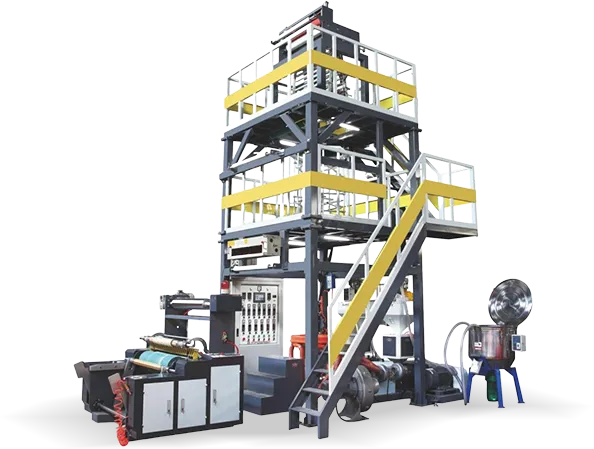
Film Forming Method Comparison: The Advantages of Key Solutions
When evaluating production options, two common choices are cast film production lines and outdated single-layer batch equipment. Cast films offer high transparency but lack the support required for heavy-duty shipping bags and stretch films. Batch systems are low-cost but cannot support multi-layer co-extrusion or stable high-volume production.
Blown film machines emerge as a practical solution in this context. It offers balanced mechanical strength, supports barrier layers, and is compatible with polyethylene, polypropylene, and biodegradable resins—while maintaining higher throughput than many comparable products.
SongSheng: Customized Support for Real Packaging Challenges
At Songsheng, we understand that every processor has unique needs: small-batch custom printing, high-speed continuous production, or compatibility with environmentally friendly resins. Unlike general machinery suppliers, we focus on long-term, stable production, not just equipment sales. Whether you produce shrink film, shopping bags, or agricultural packaging films, our solutions are tailored to your material choices, workforce configuration, and production targets.
Why Reliable Film Production Remains Crucial in the Global Supply Chain
With the increasing prevalence of just-in-time delivery in retail and manufacturing, downtime and inconsistent quality can lead to lost contracts and damaged brand reputation. The most successful packaging companies prioritize equipment that minimizes changeover times, reduces operational errors, and complies with evolving regulatory standards.
While other forming methods are suitable for specific applications, blown film machines remain essential because their flexibility, efficiency, and scalability make them ideal for mainstream flexible packaging. No other technology can handle all types of films and remain cost-effective, regardless of production scale, like blown film machines.