English
 Español
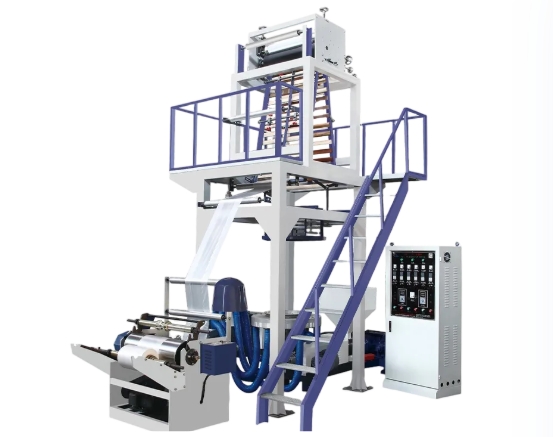
If you run a small or medium‑sized plastic packaging business, you already know the biggest pain points: inconsistent film thickness, frequent downtime, high power bills, and machines that can’t handle recycled or biodegradable materials without losing quality. A well‑matched Blown Film Line solves these problems at once, balancing small‑workshop flexibility with industrial‑grade stability. After testing more than 40 equipment models and supporting 1900+ production lines worldwide, I can say small businesses don’t need oversized, overpriced machines—they need compact high‑output extruder, low‑energy consumption design, easy maintenance structure, and customizable die heads that fit real workshop conditions.
What Small Businesses Actually Need From Film Equipment
From my 10+ years working with plastic processors, small manufacturers share nearly identical demands. They want machines that start quickly, run stably, waste less raw material, and don’t require a team of skilled workers to operate. Many buyers mistakenly buy oversized models only to find high idle costs, or cheap low‑speed machines that can’t keep up with orders. The right choice focuses on small‑batch flexible production, stable thickness control, recycled material compatibility, and affordable after‑sales support.
According to industry data from European Plastics Processing Association 2025, small packaging plants lose an average of 12% of annual profit due to uneven film thickness, unplanned shutdowns, and excessive energy use. That’s why equipment reliability isn’t a luxury—it’s a core profit factor.
Key Performance Indicators You Must Check Before Buying
Not all film machines are built the same. For small businesses, three metrics determine long‑term value: precision, energy use, and durability.
Thickness consistency directly reduces material waste. Machines with optimized flow channel die design and automatic air ring cooling deliver more stable film forming. SongSheng uses 38CrMoAlA nitrided screws with 30:1 L/D ratio, which improves extrusion uniformity by 130% and reduces thickness error to nearly ±3%. For small businesses, this means less scrap and more sellable product per ton of raw material.
Energy efficiency cuts monthly operating costs. Conventional machines waste power on inefficient heating and transmission. Modern solutions use variable frequency drive systems and optimized barrel heating to lower power use by up to 30%. In a typical 8‑hour daily workshop, this saves hundreds of dollars in electricity bills each month.
Continuous operation capability prevents order delays. Many small brands struggle with machines that fail after weeks of heavy use. Reliable models support 24/7 running with minimal maintenance, validated by years of real‑world production.
Scene‑Based Application: Match Machine to Your Product
Small businesses usually focus on specific products, so your equipment must fit your actual output.
For food packaging film and fresh‑keeping wrap, you need high transparency, good sealing, and safe material compatibility. Multi‑layer co‑extrusion structure improves barrier performance and seal strength, ideal for milk, juice, and snack packaging.
For express bags and heavy‑duty packaging film, you need strong puncture resistance and high‑speed output. HDPE specialized extrusion system provides better tensile strength and lower production cost per piece.
For agricultural mulch film and greenhouse film, you need UV resistance, anti‑fog properties, and weather durability. Customized screw and die combinations ensure stable film forming even with additive mixtures.
For biodegradable shopping bags and eco‑friendly films, you need machines that handle biodegradable pellets smoothly without clogging or burning. Specialized biodegradable film extrusion line supports stable production with modified PLA and PBAT materials.
Why Standard Low‑Cost Machines Are Not Worth It
Many small business owners choose low‑priced machines to save initial investment, but hidden costs quickly add up.
Ordinary single‑layer machines often have poor thickness control, leading to 8%–15% material waste. Their low‑quality screws wear out fast, requiring replacement every 6–12 months. They also lack stable cooling systems, so film bubbles shake frequently, reducing output and increasing labor.
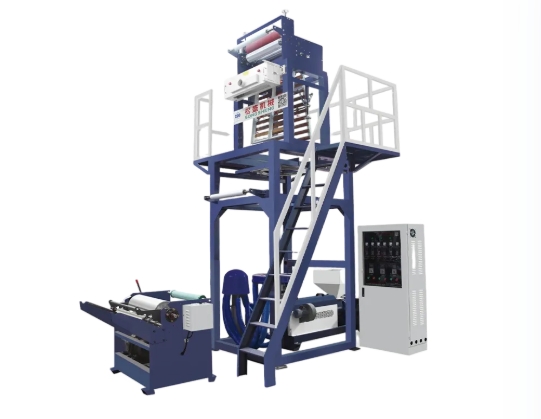
In contrast, modular high‑speed film extruder designed for small enterprises maintains consistent quality, supports recycled materials, and lowers long‑term cost. After comparing hundreds of real workshop cases, premium small‑business‑oriented machines recover price differences within 8–14 months through energy saving and material reduction.
The Right Solution for Small‑Scale Film Production
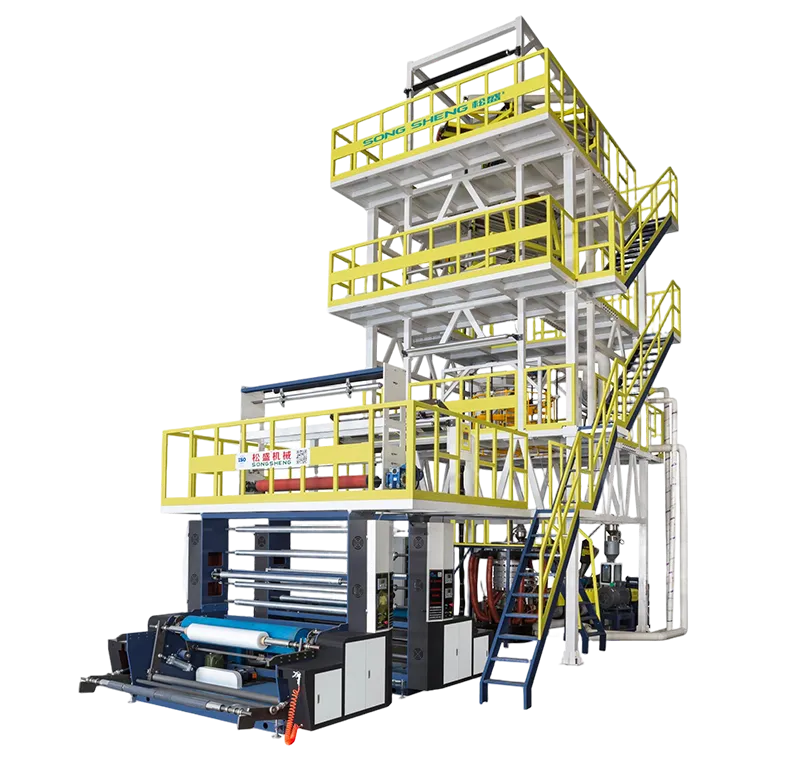
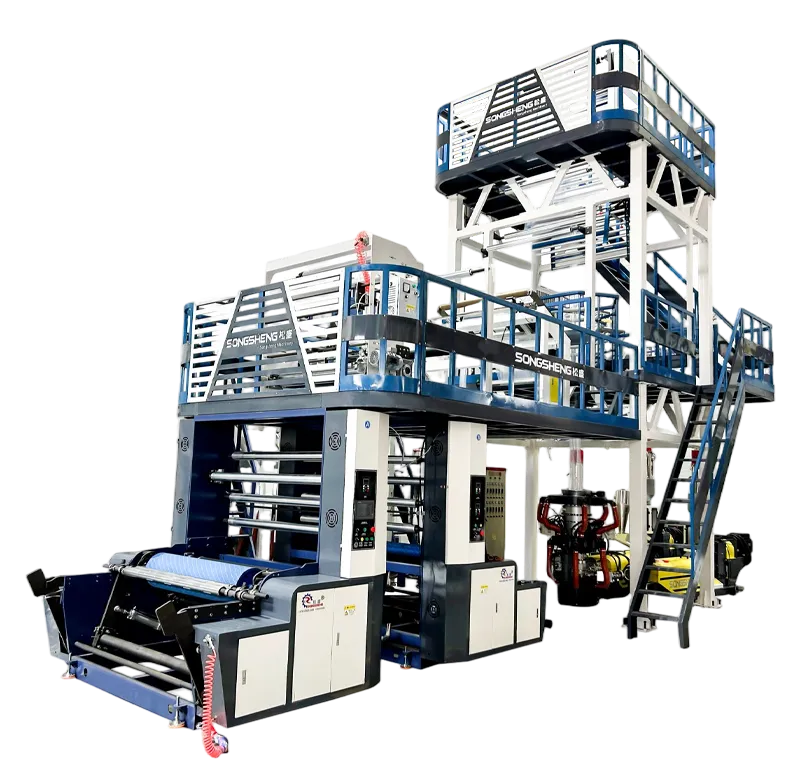
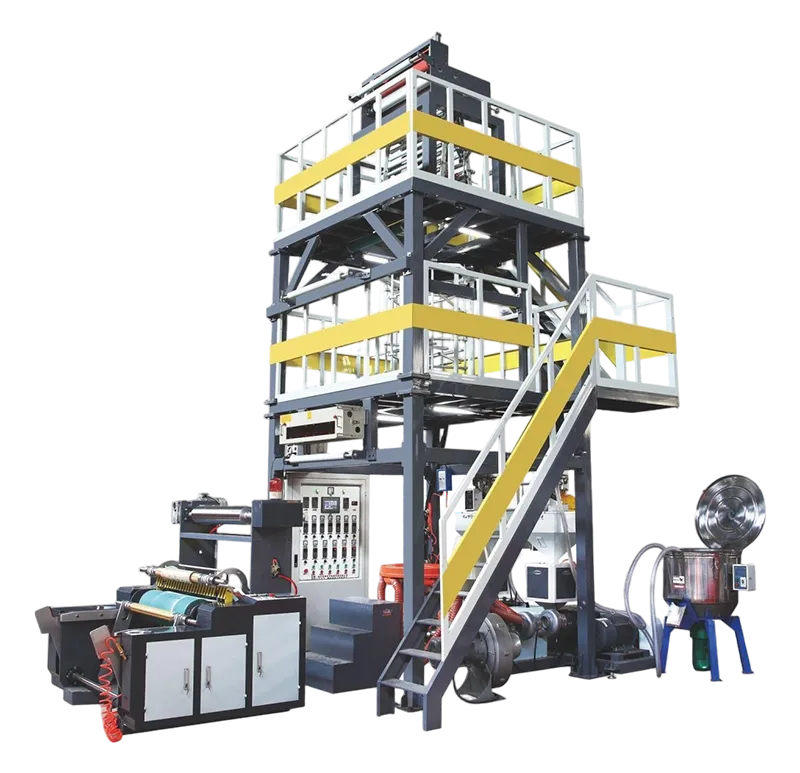
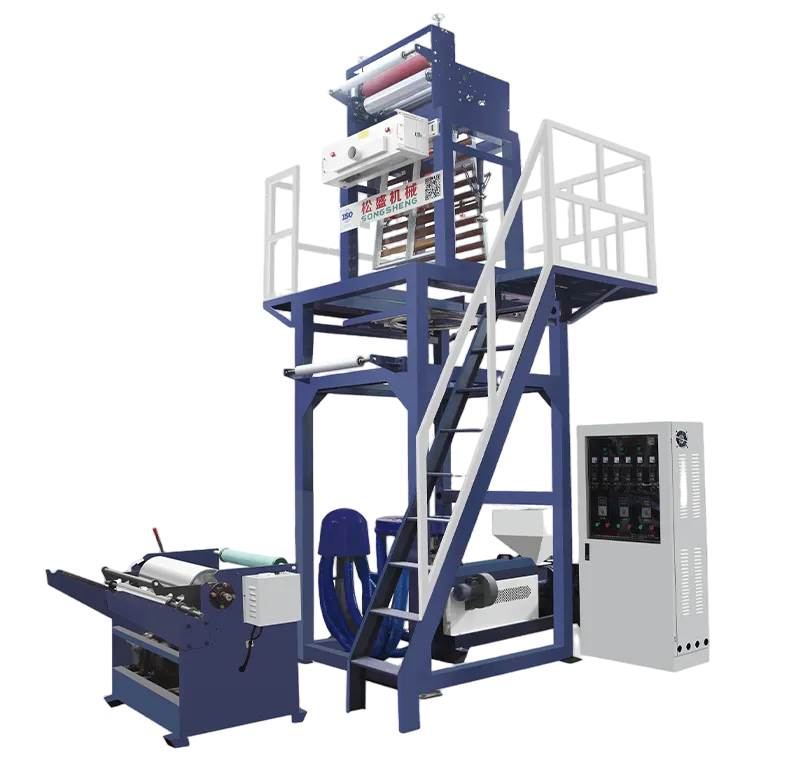
When you need compact layout, steady output, easy operation, and flexible material adaptability, Blown Film Line becomes one of the most practical solutions for small packaging workshops.
Compared with traditional single‑layer extruders, it supports wider material ranges—LDPE, HDPE, LLDPE, biodegradable compounds, and up to 50% recycled material. Compared with large‑scale multilayer lines, it saves space, uses less power, and fits limited workshop areas. Compared with second‑hand machines, it offers full after‑sales support, stable performance, and no hidden breakdown risks.
SongSheng’s small business oriented models feature 360° horizontal rotation winding, EPC correction, IBC internal cooling, and pulse dust removal to reduce dust defects by 90% and improve winding flatness significantly. These details make daily operation easier and film quality more competitive.
Customized Services That Really Help Small Producers
What small businesses need most is not a standard machine, but a configuration that matches their output, materials, and workshop space.
SongSheng provides tailored screw design, custom die head size, voltage adaptation, and local language control panel for global users. The team also offers on‑site installation, commissioning, and operator training to ensure you can run production from day one.
With global parts supply and “Fix First” service policy, you avoid long downtime waiting for components. Core components like frame, motor, and screw use high‑strength alloy steel with nitriding treatment, extending service life and reducing maintenance frequency.
Final Buying Guide for Small Business Owners
Before you decide, walk through these three steps:
- Confirm your main material (LDPE, HDPE, biodegradable, etc.) and product type (packaging, mulch, express bag, etc.).
- Measure your workshop area, power condition, and daily output target to avoid over‑selection or under‑configuration.
- Check real machine performance: thickness precision, energy consumption, continuous running ability, and after‑sales support.
From industry data and practical experience, small high‑efficiency film extrusion equipment brings more stable profit and lower risk than cheap, low‑performance machines. For small packaging businesses, reliable production = steady orders = sustainable growth.