English
 Español
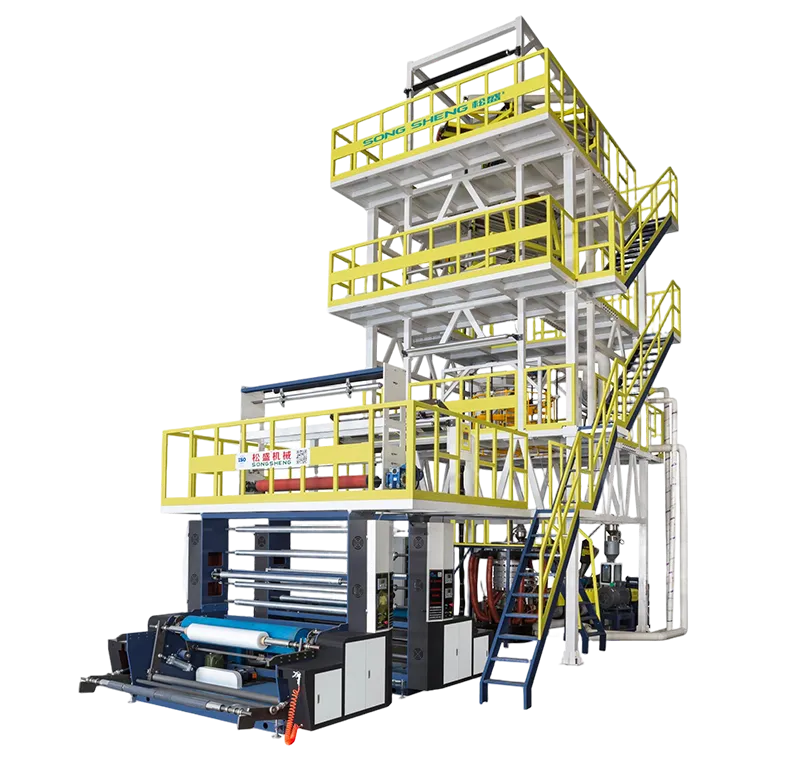
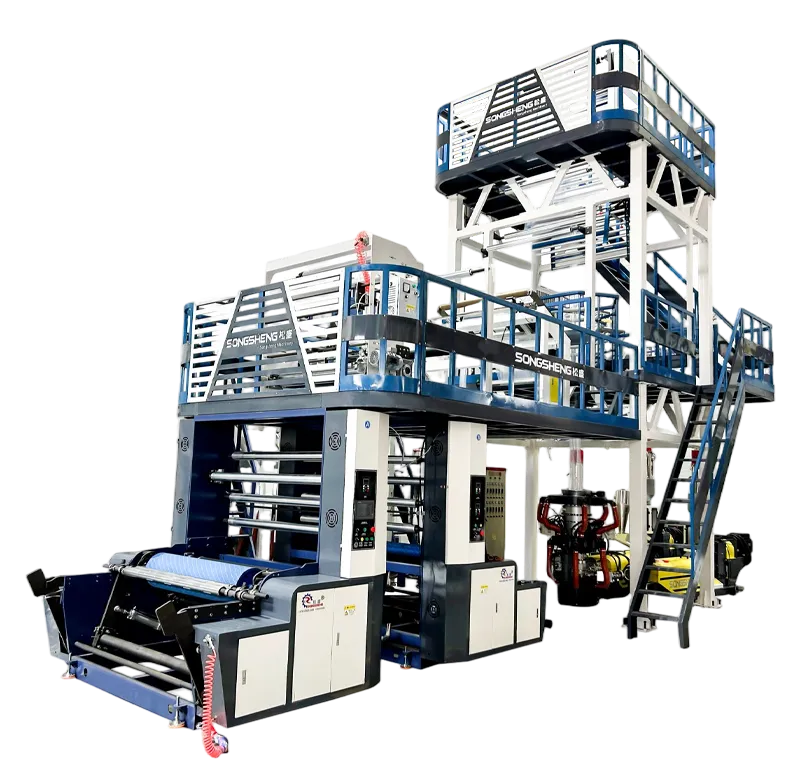
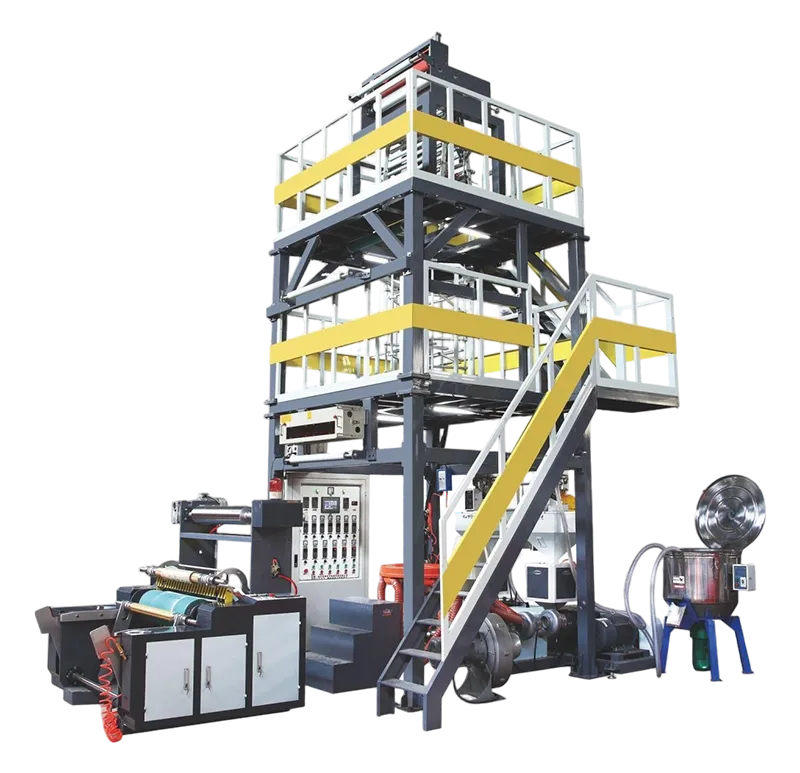
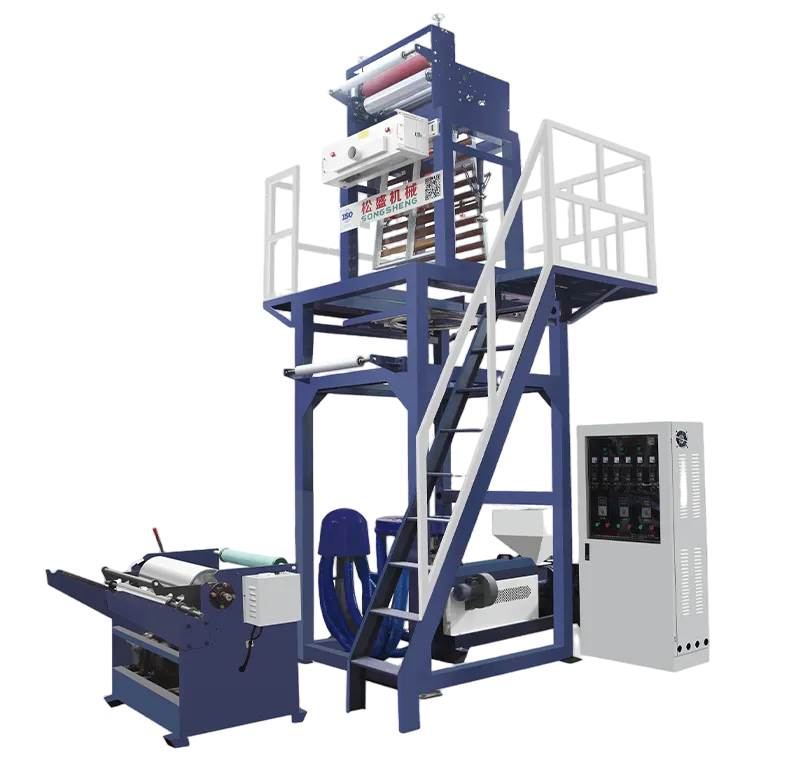
For most small manufacturers, the real question isn’t whether to invest in film production—it’s how to do it without sinking cash into oversized, underutilized equipment. A High Speed Mini Film Blowing Machine often hits that balance: compact footprint, lower capital pressure, and surprisingly strong output. In practical terms, it allows a small operation to move from outsourcing to in-house production without disrupting cash flow or floor space—two constraints that quietly dictate survival in early-stage manufacturing.
The hidden cost problem small factories are trying to solve
Walk into a typical small packaging workshop, and you’ll notice a pattern: outsourced film rolls stacked against the wall, fluctuating supply schedules, and margins that feel thinner than they should be.
According to data from organizations like the Plastics Industry Association, raw material and outsourcing costs can account for a significant share of packaging expenses for small converters. What’s often overlooked is the lack of control—lead times stretch, minimum order quantities lock up capital, and customization becomes expensive.
That’s why many buyers searching for compact film extrusion solutions for small workshops or low investment plastic film production machines are not just shopping for equipment—they’re trying to regain control over production rhythm.
Space, power, and people: the real constraints
Large-scale extrusion lines look impressive on paper, but they rarely align with the reality of a small business:
- Limited factory space
- Modest power infrastructure
- Lean staffing models
A smaller system answers these constraints directly. It fits into tighter layouts and often requires fewer operators, which matters when skilled labor is hard to retain.
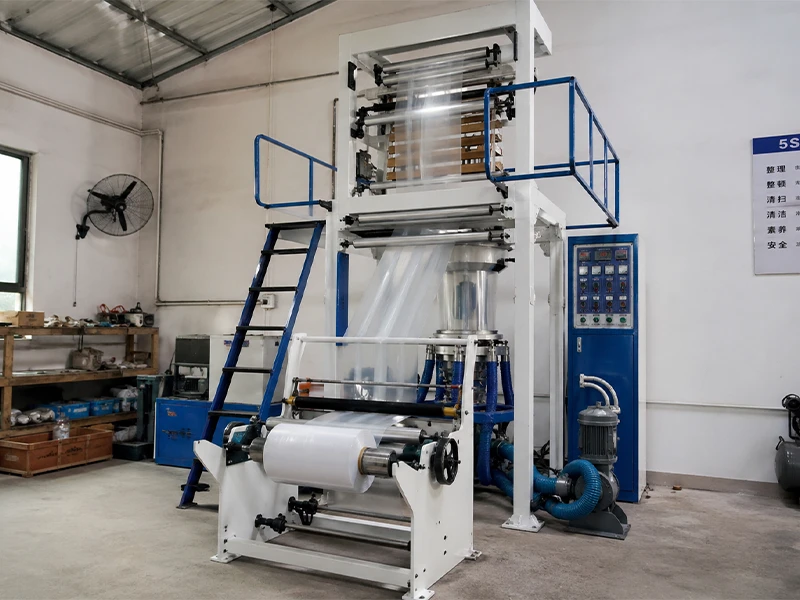
More importantly, it allows gradual scaling. You’re not forced into “all-or-nothing” capacity decisions.
Flexibility beats scale in early growth stages
Small businesses don’t win by volume—they win by adaptability.
A flexible plastic film production setup for custom orders can switch between different film thicknesses or materials faster than a large, rigid line. This is critical if your clients demand:
- Short runs
- Frequent design changes
- Niche packaging formats
Instead of chasing bulk orders, you can serve higher-margin, specialized needs.
Where the turning point happens: bringing production in-house
There’s usually a moment when outsourcing stops making sense. It might be triggered by:
- Repeated delays from suppliers
- Increasing MOQ requirements
- Rising transportation costs
At that point, investing in your own equipment becomes less about expansion and more about survival.
If you’re evaluating options, you can explore application cases to see how similar businesses transitioned from outsourcing to independent production.
Why smaller-scale equipment often outperforms expectations
Here’s where assumptions break down.
Many buyers expect “mini” machines to mean limited performance. In reality, modern designs have narrowed the gap significantly. Advances in screw design, heating control, and automation allow smaller units to deliver consistent film quality suitable for:
- Retail packaging
- Agricultural film
- Protective wrapping
This is why the High Speed Mini Film Blowing Machine becomes a practical solution—not a compromise—especially for businesses prioritizing efficient film extrusion for small batch production.
Compared to traditional large-scale systems
Let’s be candid: large machines still dominate in mass production. But they come with trade-offs that small businesses feel immediately.
Traditional large lines:
- High upfront investment
- Longer setup and changeover times
- Overcapacity risk
Compact high-speed alternatives:
- Lower financial risk
- Faster ROI cycles
- Better suited for custom plastic film manufacturing workflows
For a small operation, the question isn’t “Which is more powerful?”—it’s “Which aligns with how we actually operate?”
Real-world scenario: a packaging startup scaling smartly
Imagine a startup producing eco-friendly packaging for local food brands.
At first, they outsource everything. But as orders grow, inconsistencies start to hurt their reputation. They don’t need a massive line—they need reliability and control.
By installing a compact system, they:
- Cut lead times from weeks to days
- Experiment with biodegradable blends
- Offer clients a faster turnaround
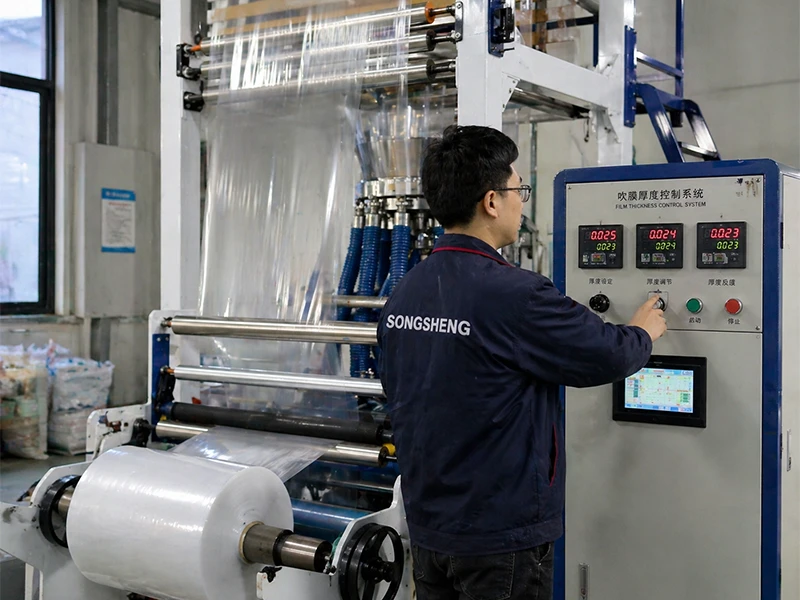
That shift—from reactive to proactive production—is often what separates stagnant businesses from growing ones.
Customization and service: the overlooked advantage
Another factor rarely discussed in technical specs is supplier support.
Smaller equipment suppliers often provide:
- Tailored configurations
- Faster response times
- More flexible upgrade paths
If you’re considering implementation, it’s worth taking time to get configuration details based on your material types and output goals.
When does it not make sense?
To stay grounded: this type of machine isn’t ideal if you’re already operating at large industrial volumes with stable, high-output demand.
In that case, scaling up remains the logical step.
But for businesses still navigating growth, uncertainty, and evolving customer needs, smaller systems often provide a more intelligent path forward.
Final thought: control is the real asset
Equipment decisions are rarely just technical—they’re strategic.
For small businesses, the ability to control production, adapt quickly, and manage costs often outweighs sheer output capacity. That’s where compact, high-speed systems quietly deliver value.
If your current model feels constrained by outsourcing or inflexible supply chains, it may be time to see available solutions and rethink how production fits into your growth strategy.