English
 Español
You’ve probably heard the number before: unplanned downtime in packaging production can cost a mid-sized operation anywhere from $10,000 to $50,000 per hour depending on the line speed and product value. Yet, walk onto most shop floors and you’ll still find maintenance treated as an afterthought—something you do when a servo alarm screams or a seal bar refuses to close.
The reality is that the lifespan of sophisticated converting and packaging systems is rarely determined by how hard they run, but by how consistently they are cared for. If you’re running a busy operation that relies on high-output flexible packaging lines, the difference between a 10-year asset and a machine that needs major overhaul after four years often comes down to a few daily habits.
In this guide, we’ll walk through a layered maintenance approach that moves from essential daily checks up to data-driven predictive strategies. Along the way, you’ll notice that some of the most impactful routines actually have less to do with the maintenance department and more to do with the machine’s inherent design—something worth keeping in mind when you evaluate equipment for future lines. For instance, choosing converters designed for easy-access servicing can cut routine inspection time by more than half.
Start with the non-negotiables: daily and shift-level routines
The best maintenance program is boring. It’s a repeatable list that every operator or shift technician completes without negotiation. Here’s what that list should cover at a minimum for most roll-fed converting and filling equipment:
1. Visual walk-around at start-up
Check for oil or grease spots on the floor, listen for unusual rattles or hissing (air leaks), and scan the HMI for any logged faults from the previous shift. Document your findings. This takes three minutes and often catches hydraulic or pneumatic issues before they escalate.
2. Film and web path cleanliness
Dust, polymer residue, and ink particles accumulate on idler rollers, dancer arms, and tension load cells. These deposits change the effective roller diameter and can pull the web tension out of spec, leading to mis-register, wrinkling, or even web breaks. Wipe rollers with a manufacturer-approved solvent at every shift change. Avoid generic degreasers that may attack anodized surfaces or roller coatings.
3. Sealing section inspection
Whether you’re dealing with heat-seal bars, ultrasonic horns, or impulse sealing bands, the contact surfaces degrade over time. Run a fingertip (on a cool surface) across the sealing face to feel for pitting or uneven wear. If your equipment produces fin-seal or pouch formats, check that Teflon or PTFE covers aren’t frayed. Replace protective films proactively—don’t wait until you see a rise in leaker rates.
4. Lubrication point verification
Many modern machines have centralized auto-lubrication, but it’s still critical to verify that grease is actually reaching the designated points. A blocked metering valve can starve a linear guide of lubrication for months without triggering an alarm, silently accelerating wear. Keep a weekly log of lube consumption; a sudden drop indicates a blockage.
These four steps form the foundation. Documenting each check in a shift log, whether paper or digital, creates a trend line that allows you to spot gradual degradation before it becomes a failure.
The weekly and monthly layer: where deep maintenance pays off
If shift-level routines are about keeping the machine running today, the weekly and monthly tier is about protecting its precision and extending mechanical life. This is where you’ll uncover issues like silent bearing wear, calibration drift, and fatigue in flexible components.
Mechanical alignment checks
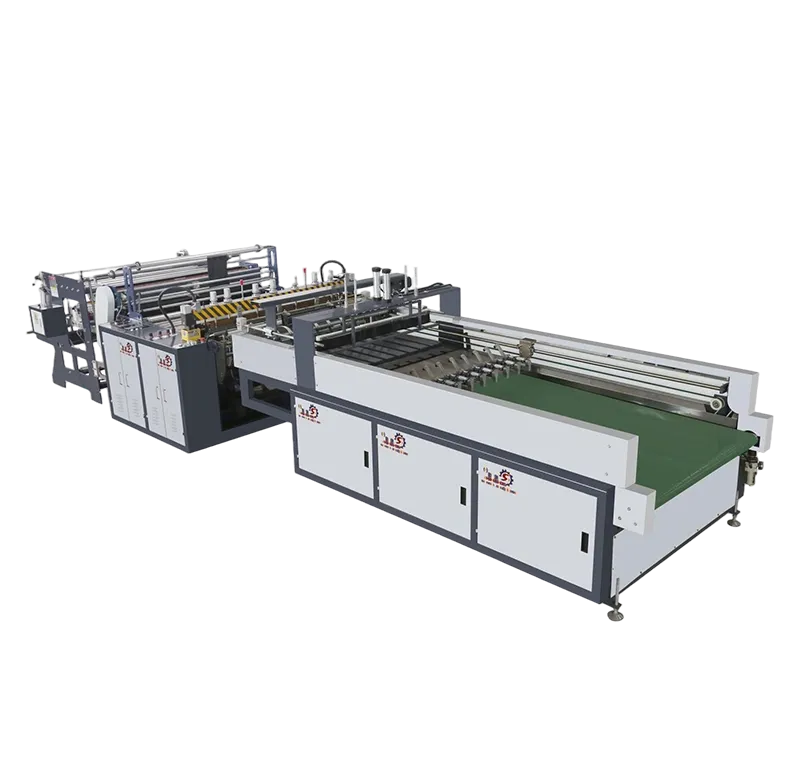
A horizontal forming collar or a vertical forming tube can drift a few microns over weeks of thermal cycling. Once alignment falls outside the tolerance, film tracking suffers, scrap rates climb, and you’re correcting a mechanical problem with servo offsets—a temporary fix that stresses the entire drive train. Schedule alignment verification for critical tooling every 200 running hours. Use dial indicators and follow the manufacturer’s reference marks. If you find yourself adjusting alignment more than twice a quarter, it may signal a structural rigidity issue in the frame or worn linear guides—something that often separates entry-level equipment from systems engineered with integrated diagnostic tools.
Thermal system inspection
Heater cartridges, thermocouples, and solid-state relays degrade in ways that don’t always generate a hard fault. A thermocouple that reads 5°C low can force operators to increase the temperature setpoint, over-stressing adjacent components and wasting energy. Use a calibrated external probe to cross-check temperature readings on all heated zones monthly. Measure the heat-up time from cold; an increase of more than 15% typically signals cartridge degradation or contact resistance buildup.
Electrical cabinet maintenance
One of the most overlooked maintenance tasks is keeping drive cabinets clean and dry. Conductive dust from film slitting can settle on servo drive circuit boards. In humid environments, this dust absorbs moisture and creates leakage paths. Open cabinets monthly, vacuum (don’t blow) dust, check that enclosure fans and filters are functional, and verify that the cabinet’s ambient temperature stays within the drive manufacturer’s rated range. A $200 filter replacement prevents a $4,000 drive failure.
Replace consumables on a schedule, not on failure
Belts, filters, sealing element covers, air cylinder seals, and stripping fingers all have a known service life. Build a replacement calendar based on real runtime data rather than waiting for a failure. This is where the discipline of recording operating hours in your CMMS (Computerized Maintenance Management System) becomes invaluable.
The hidden traps: maintenance practices that actually shorten machine life
Not all maintenance is good maintenance. Over the years, I’ve seen several well-intentioned habits that quietly reduce equipment lifespan:
Using the wrong grease
Mixing lithium-based and polyurea-based greases in linear bearings can cause the thickener to harden or separate, resulting in bearing starvation. Always check compatibility, and if you don’t know what grease was previously used, purge completely before switching. Keep a visual guide posted near lubrication stations.
Aggressive cleaning of sensors
Optical sensors, particularly contrast sensors used for print registration, have delicate lenses. Wiping them with a dry cloth or paper towel can micro-scratch the lens, causing diffuse reflection errors over time. Use lens-cleaning solutions and lint-free wipes specified for optical instruments.
Calibrating over a mechanical problem
When a bag’s print repeats start drifting, the instinct is often to re-teach the sensor or tweak the registration offset. But the root cause might be a slipping nip roller, a worn-out tension brake, or a loose coupling. Performing a “quick calibration” without diagnosing the mechanical root cause buries the problem and accelerates wear on all downstream motion components. Always perform a physical walk-through of the web path before altering servo parameters.
Neglecting operator training in maintenance awareness
Operators are your first line of defense. If they can’t distinguish between normal film dust and metallic particles from a failing bearing, small problems get missed. Invest in 30-minute monthly sessions where maintenance technicians show operators what early-stage failure looks, sounds, and smells like. This has a double-digit ROI in terms of prevented catastrophic failures.
From preventive to predictive: using data to extend service intervals
The shift from time-based preventive maintenance to condition-based predictive maintenance is one of the most impactful changes a packaging operation can make. It does, however, require that you have the right data-collection infrastructure—and that you’re not just collecting data but actually closing the loop.
Vibration analysis
Low-cost wireless vibration sensors attached to main drive motors and vacuum pump housings can now feed into a cloud-based analytics platform. The software learns the baseline signature and alerts you when a bearing defect frequency emerges. This allows you to schedule a motor bearing replacement during a planned stoppage rather than reacting to a midnight failure. For packaging lines that run 24/5 or 24/7, the payback on vibration monitoring is typically under 12 months.
Temperature trending via infrared
An infrared camera or a fixed thermal imaging sensor pointed at critical electrical connections, heater terminals, and bearing housings can detect abnormal temperature rise weeks before failure. Making a weekly thermographic scan part of the monthly routine costs almost nothing and dramatically improves diagnostic capability.
Current signature analysis
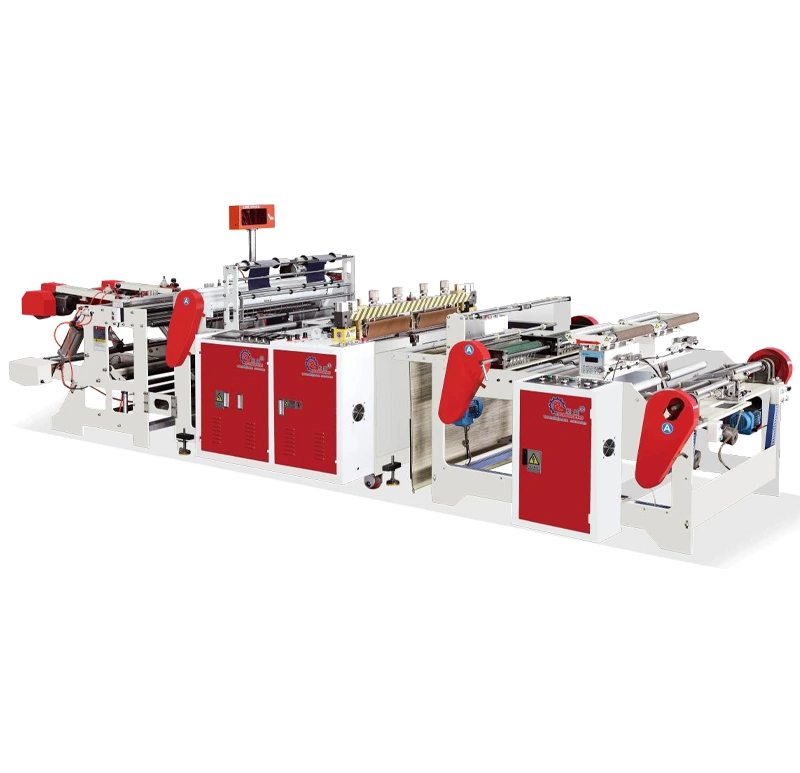
Monitoring the current draw of servo motors over time reveals mechanical load changes. A gradual upward trend in current required to achieve the same motion profile suggests increased friction in the mechanical linkage, belt tension drifting, or seal contamination. Catching this early means you can lubricate or adjust during a break instead of overloading the drive.
What to do with all this data
Linking predictive maintenance alerts to your CMMS or work-order system creates a closed loop. When a sensor flags a bearing at yellow status, the CMMS automatically generates a work order with a 14-day completion window. The technician completes the repair, logs it, and the baseline is updated. This single digital thread prevents the “we’ll get to it” mentality that leaves flagged issues unattended for months.
If your current equipment lacks the sensor suite needed for predictive insights, you might want to explore maintenance-friendly design options when planning your next line upgrade. Machines that come pre-wired with IoT gateways and standard analog sensor interfaces make retrofitting much simpler and cheaper.
Designing a culture, not just a checklist
Checklists work only if the culture of the organization supports them. When maintenance is viewed as a cost center whose job is to “fix broken things,” no amount of documentation will extend machine life. The operations that consistently achieve 15+ years from their primary converting and packaging equipment share a few traits:
-
Shared KPIs: Maintenance and production teams share metrics like OEE (Overall Equipment Effectiveness) and MTBF (Mean Time Between Failures), creating joint accountability.
-
5S workplace organization: A clean, organized floor allows leaks, debris, and wear indicators to stand out immediately rather than hiding in clutter.
-
Root cause analysis discipline: Every unplanned stoppage longer than 30 minutes gets a “5-Why” or fishbone analysis, with findings fed back into the preventive maintenance plan.
-
Machine lifecycle planning: Capital budgets account for mid-life refurbishments—platen re-machining, main bearing replacement, control system upgrades—rather than running equipment until end-stage failure and then rushing to buy a replacement.
This cultural element is often the hardest to build, but it multiplies the effectiveness of every technical routine listed above.
When maintenance alone isn’t enough
Even the best-maintained machine will eventually face obsolescence—not necessarily because the frame is worn out, but because control systems become unsupported, safety standards change, or the cost of sourcing obsolete parts erodes the maintenance budget. Knowing when to shift from extending life to upgrading is part of strategic asset management.
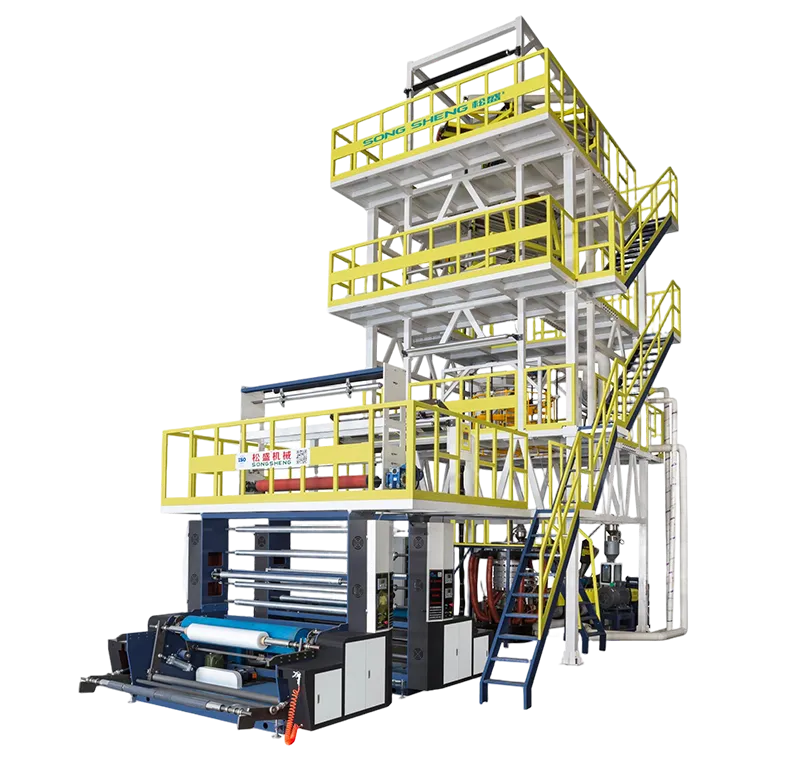
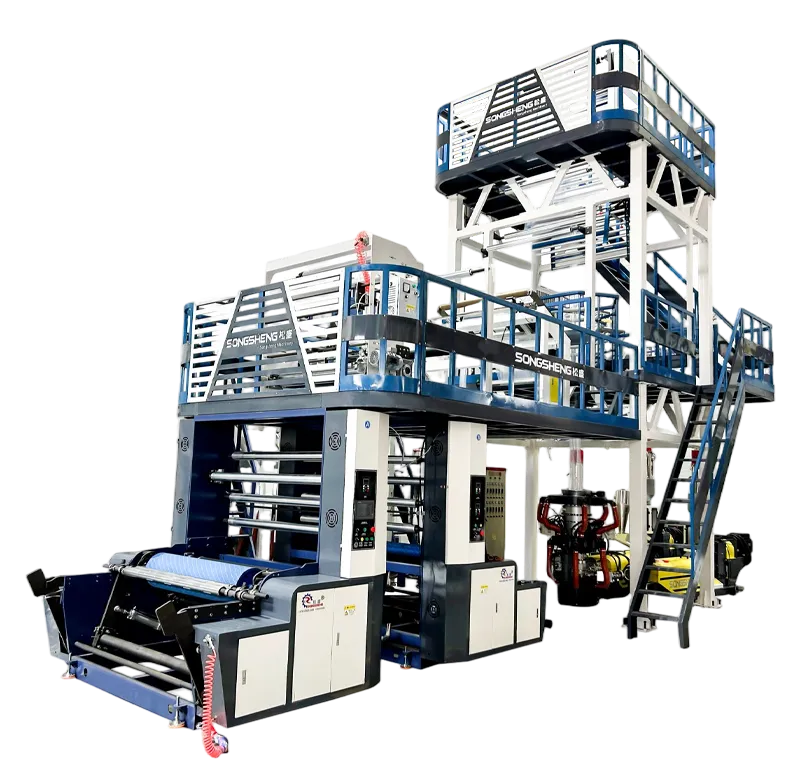
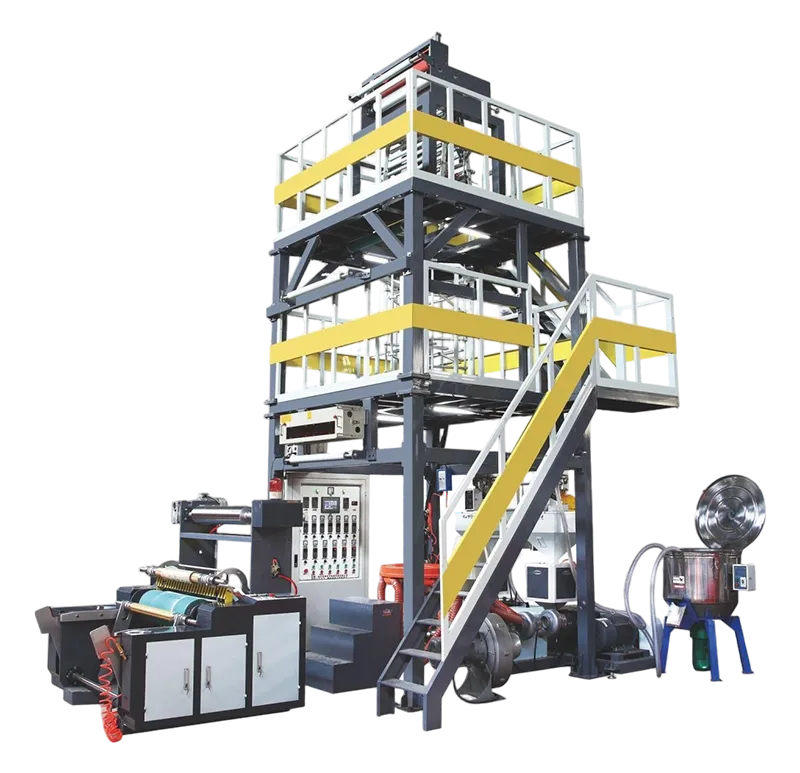
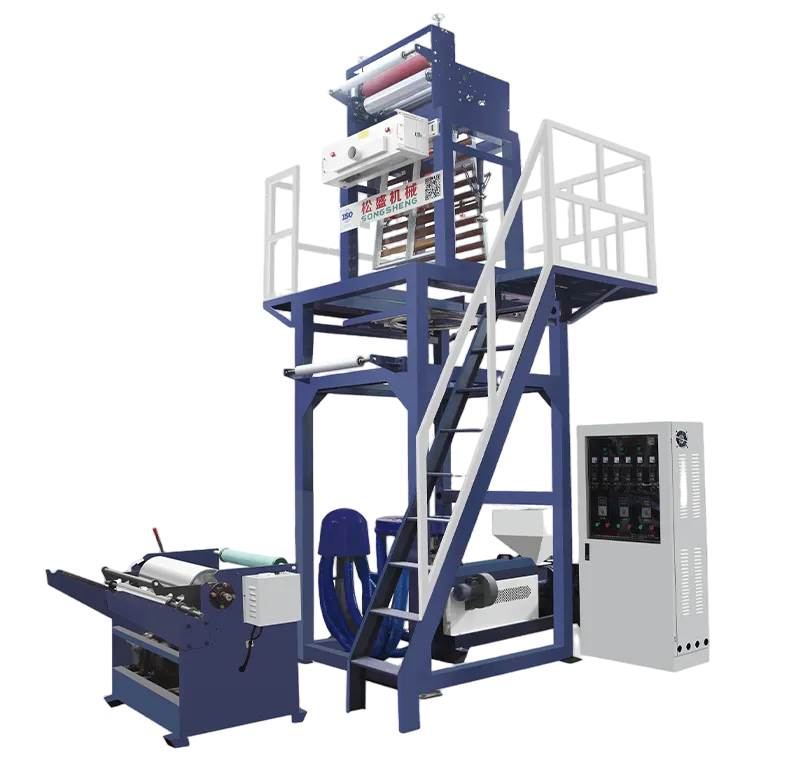
If you’re finding that a growing percentage of your maintenance budget goes toward chasing hard-to-find components, or that unscheduled downtime is creeping up despite rigorous preventive routines, it might be time to evaluate equipment designed from the ground up for durability and ease of service. For operations looking for robust, service-focused packaging machinery, Songsheng’s flexible packaging machinery range offers design features that directly support the maintenance philosophies outlined in this article—including modular tooling for quick changeover, centralized lubrication points, and open-frame access that significantly reduces the time needed for daily inspections. The goal isn’t just to sell you a machine, but to provide a platform that makes extending equipment life a daily reality rather than a constant fight.
Closing thought
Extending the service life of production equipment isn’t about finding one secret trick. It’s the cumulative effect of daily discipline, data-informed decisions, and a company culture that treats maintenance as a strategic activity. Start by auditing your current shift-level checklist against the routines listed here—you’ll likely find three or four improvements you can implement before the end of the week.
Disclaimer: The maintenance practices described are general industry guidance and should be adapted to your specific equipment’s OEM documentation. Always follow manufacturer-recommended procedures and safety protocols. Any references to third-party tools or systems are for illustrative purposes and do not constitute an endorsement.