English
 Español
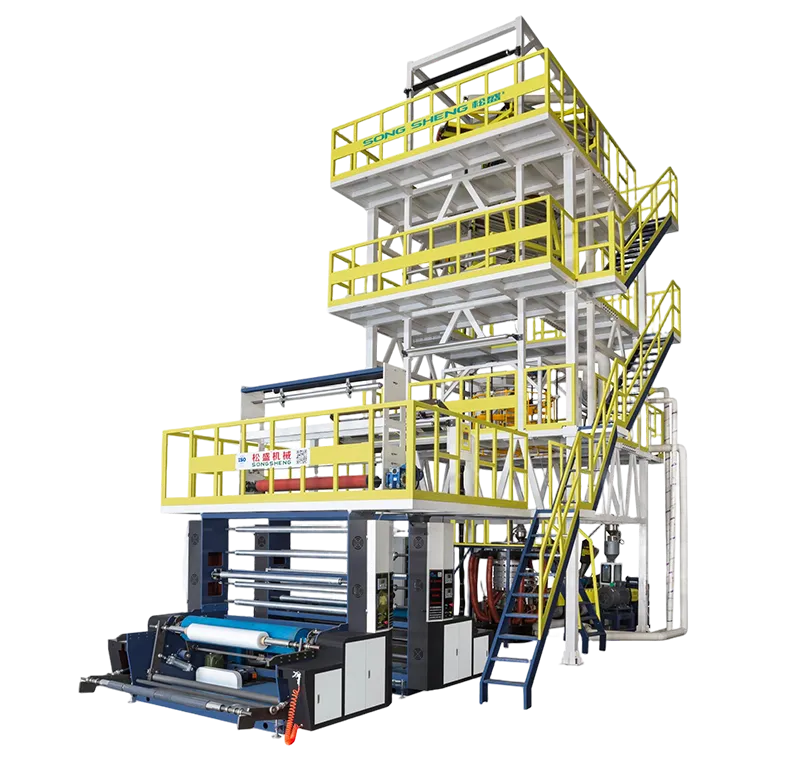
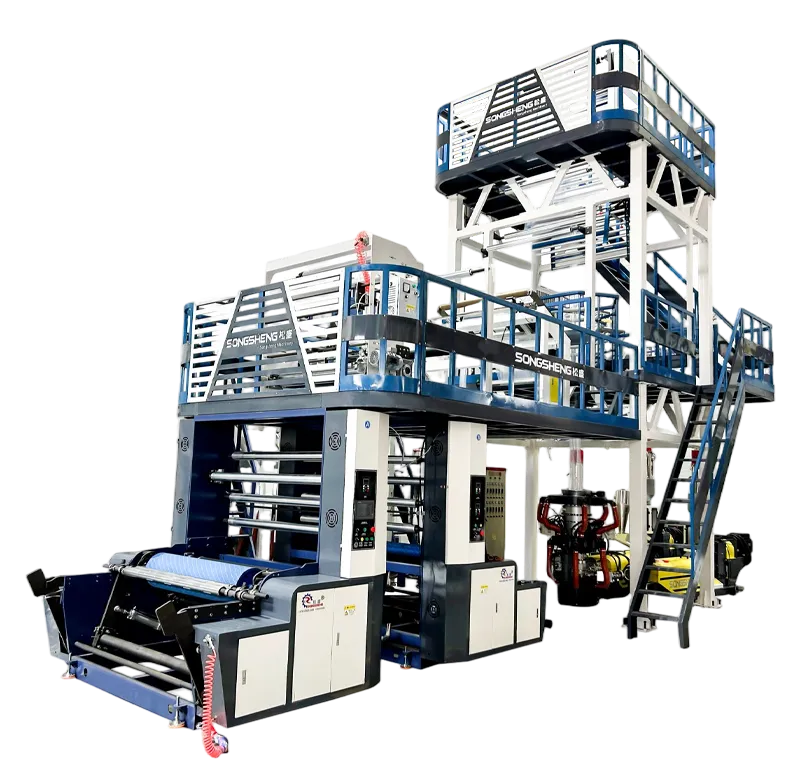
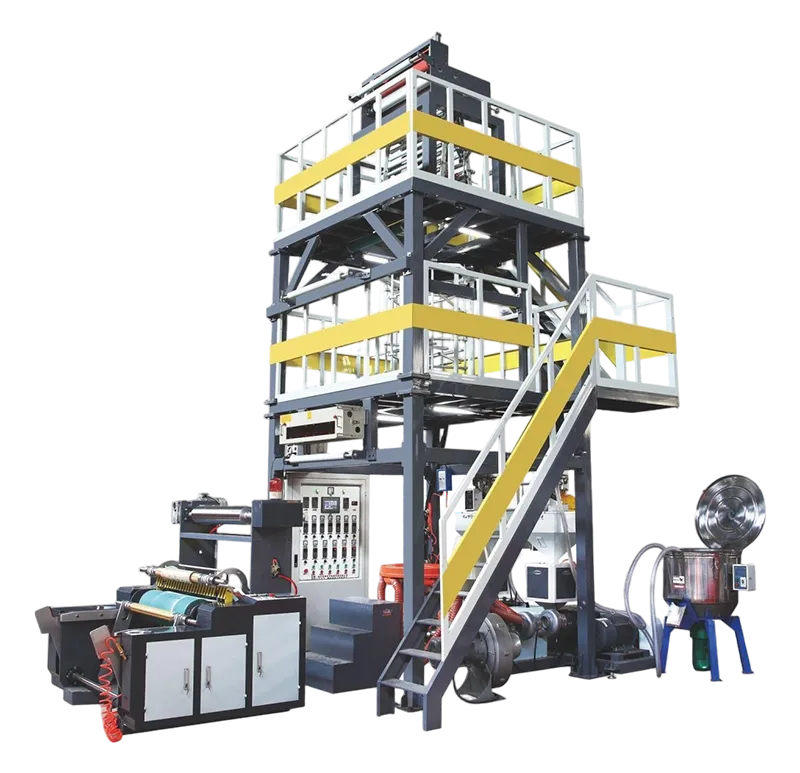
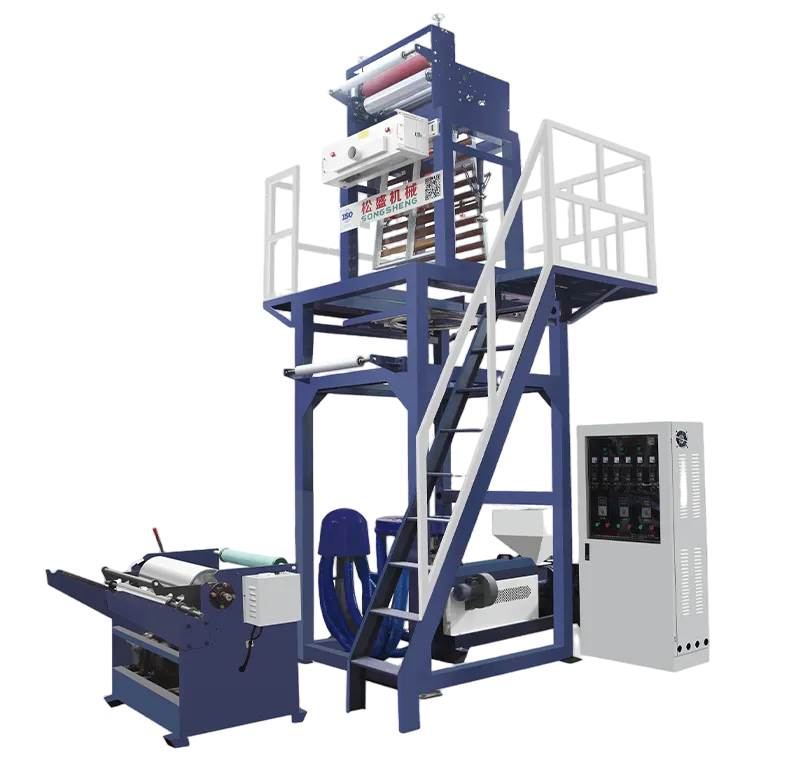
Every production manager in the flexible packaging industry eventually faces a critical decision: should the next production line use a single-screw or a twin-screw extrusion system? This choice shapes everything from daily electricity bills to the ability to incorporate recycled content or high-load masterbatch. While both technologies are widely used in the film industry, their differences are often misunderstood, leading to costly misinvestments. Before diving into technicalities, it’s worth understanding that a well-integrated system can compensate for certain extruder limitations—some manufacturers offer versatile blown film production units that accommodate both screw types. In this article, we’ll dissect the practical trade-offs, based on real production floor experiences, to help you align your equipment choice with your specific goals.
At first glance, the single-screw system appears elegantly simple: a rotating screw pushes plastic pellets forward inside a heated barrel, melting and pressurizing the material. This straightforward design translates to lower upfront costs and easier maintenance. For standard polyolefin films—think general-purpose LDPE or HDPE shopping bags—a well-tuned single-screw setup can deliver consistent output with minimal fuss. However, when the recipe starts to include high percentages of calcium carbonate filler, color masterbatch, or post-industrial reclaim, the limitations begin to surface. Melt quality can degrade, leading to gel formation and gauge variations. One processor we spoke with noted that pushing filler content beyond 15% on their single-screw blown film machine regularly caused screw slippage and pressure fluctuations. This is where the twin-screw architecture steps in.
Twin-screw extruders, particularly co-rotating intermeshing types, function like a positive displacement pump. Their interlocking screws create a self-wiping action that prevents material stagnation, delivers intense dispersive mixing, and handles poorly flowing powders or sticky recycled flakes with ease. The improved mixing directly affects film optical properties and mechanical strength. For instance, a manufacturer producing agricultural mulch films with high carbon black loading found that switching to a twin-screw line reduced masterbatch consumption by 12% while achieving uniform opacity—a clear material cost saving that offset the machine’s price premium over time.
To make the comparison actionable, let’s break down key performance dimensions:
| Dimension | Single-Screw | Twin-Screw |
| Mixing Capability | Distributed mixing only; limited for fillers >15% | Excellent dispersive and distributive mixing; handles >50% filler |
| Material Flexibility | Best for standard polyolefins (LDPE, LLDPE, HDPE) | Handles engineering plastics, biodegradable resins, high-filler compounds, recycled flake |
| Typical Output Range | 50–300 kg/h (for medium-sized lines) | 80–500 kg/h (high torque models); output more stable with difficult feeds |
| Energy Consumption | ~0.25–0.35 kWh/kg | ~0.30–0.50 kWh/kg (higher, but often justified by compound savings) |
| Maintenance | Simple screw/barrel design; lower spare parts cost | More complex gearbox and screw elements; requires skilled service |
| Capital Cost | Lower initial investment | 30–60% higher upfront |
Note: Figures are indicative and vary by machine design, screw diameter, and material. Always consult a line builder for customized projections.
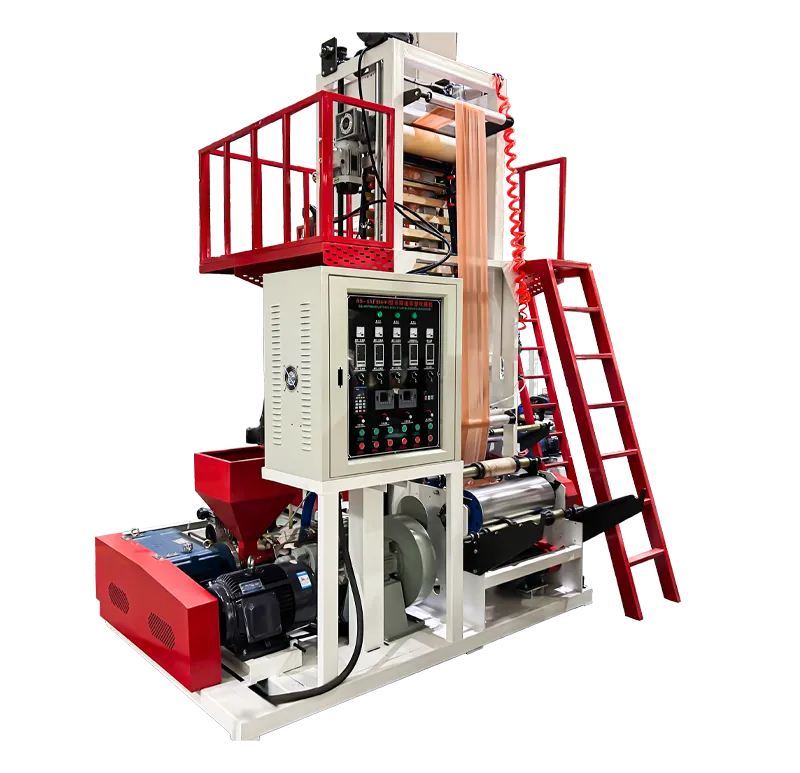
The decision shouldn’t be based on a single factor. A useful framework is to map your production priorities. If your product portfolio is stable, based on commodity resins with low additive loads, a single-screw line provides the best return on investment—it’s simpler to operate and spare parts are widely available. However, if you’re chasing higher-margin specialty films—multi-layer barrier films with EVOH or tie layers, biodegradable starch-based blends, or heavily filled breathable films for hygiene products—the twin-screw’s capability becomes a necessity, not a luxury. Increasingly, we see hybrid approaches where a twin-screw compounder feeds a single-screw extruder for film forming, but this adds complexity and cost.
Something often overlooked is the impact of screw design on downstream filtration. Poor melt homogeneity from an underperforming single-screw extruder can cause rapid screen pack buildup, leading to more frequent screen changes and production downtime. This hidden cost eats into the apparent savings. Before deciding, calculate the total cost of ownership over a 3–5 year horizon, factoring in energy, maintenance labor, screen packs, and scrap rates.
After clarifying your material and output roadmap, the next step is to consult experienced equipment manufacturers. Not all twin-screw designs are equal: segment configurations, L/D ratio, and venting options greatly affect performance with specific recipes. A reputable supplier can help you configure an extrusion setup that matches your exact raw material blend and film property targets—potentially saving months of trial and error. If you need help translating these engineering decisions into a concrete production line, you can explore custom configurations designed for complex film recipes.
Throughout this analysis, the term “blown film machine” encompasses the entire system—from the extruder and die to the cooling and winding units. While extruder choice is foundational, integration with the rest of the line determines final performance. For example, a high-output twin-screw extruder needs an adequately sized die and cooling system to realize its throughput potential. A well-matched, complete blown film machine from a single-source supplier often avoids these compatibility headaches.
If you’re still weighing the trade-offs, consider reaching out for a technical consultation. At Songsheng, the engineering team reviews your specific material formulations before recommending any line component. This approach ensures you don’t over-invest in mixing capability you don’t need, nor under-specify for a demanding compound.
Ultimately, the single-screw versus twin-screw debate has no universal winner. The right answer lies in your formulation, your margins, and your growth plans. Being precise about your current and future material requirements is the best investment you can make before any capital purchase.
Further Reading & Resources
-
ISO 23559:2011 Plastics — Film and sheeting — Guidance on the testing of thermoplastic films
-
“Extrusion: The Definitive Processing Guide” by Harold F. Giles Jr. et al.
Disclaimer: The performance data and examples provided in this article are for informational purposes and may not represent results achievable in every production environment. Consult your equipment and material suppliers for specific guidance.